

Picking the right rug size is not easy. Many people get it wrong. The rug looks great in the shop. But at home, it feels off. This living room rug sizing guide: 15 rules will fix that. Follow these rules, and your living room will look clean, stylish, and well put together.
1. Measure Your Seating Area First
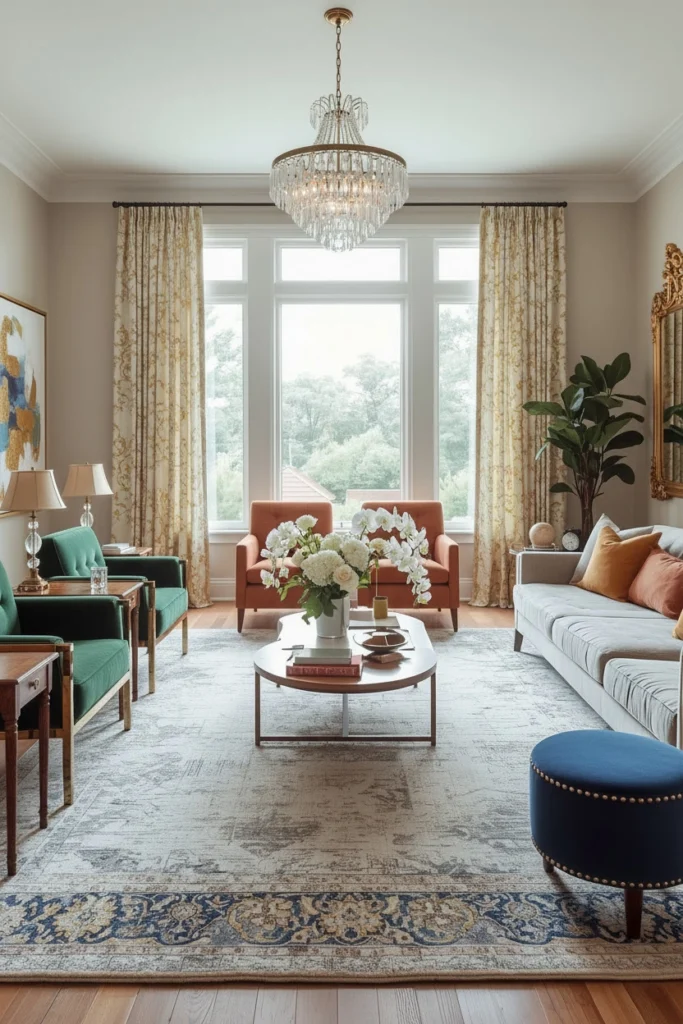
Do not measure the whole room. Measure your seating zone instead. Look at your sofa, chairs, and coffee table. Measure the space they take up together. Your rug should cover that full area. It should also go a few inches past each piece. This ties all the furniture together. It makes the room look planned and neat.
2. When Unsure, Pick the Larger Size
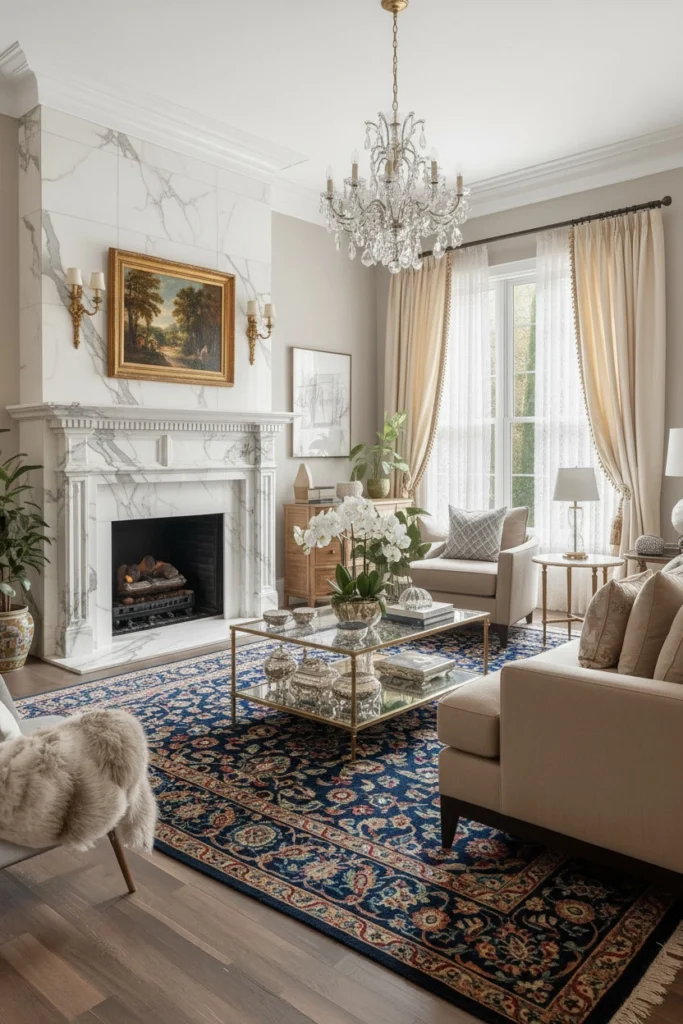
Always go with the bigger rug when you cannot decide. A larger rug makes the room feel open and styled. A smaller rug makes furniture look like it is floating. That floating look is a very common problem. A bigger rug also makes small rooms feel larger. This surprises many people, but it is always true.
3. Leave Floor Space around the Rug
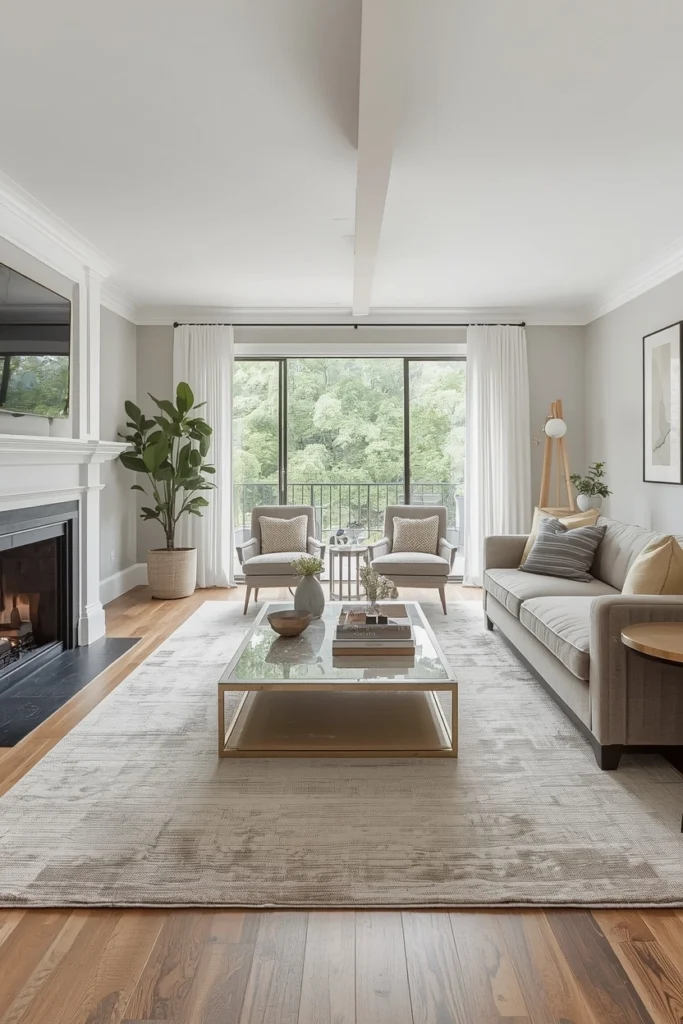
Do not cover every inch of your floor. Leave 12 to 18 inches of floor showing on all four sides. This open border makes the rug look intentional. It also frames the space nicely. If you have a wood or stone floor, this gap lets it show. Good floors deserve to be seen.
4. All Furniture Legs Should Sit on the Rug
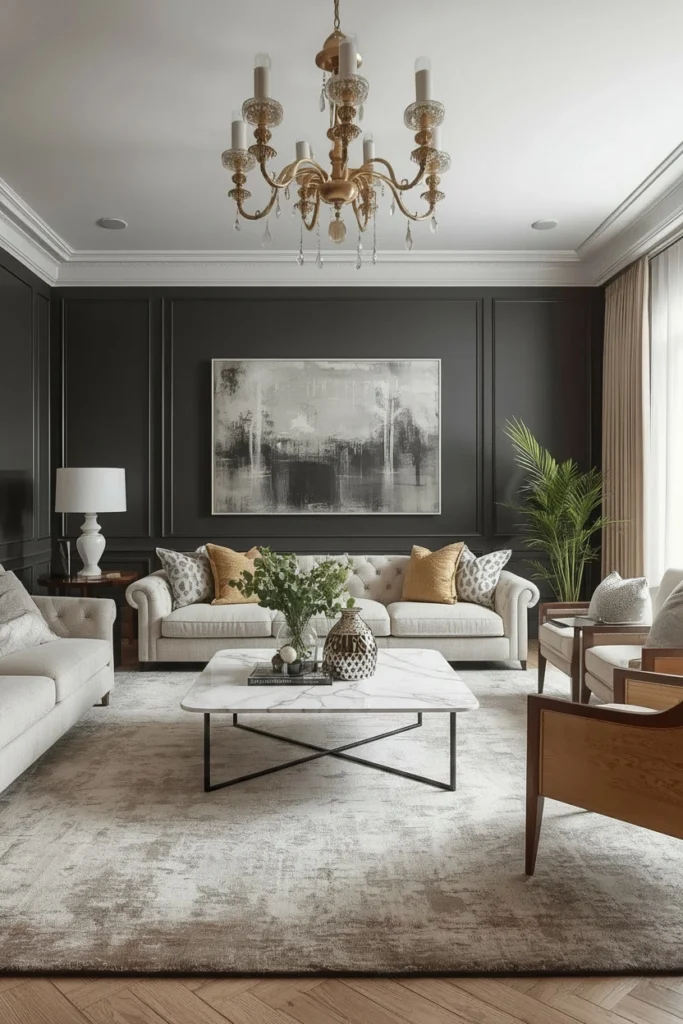
The old rule was front legs only. That rule is outdated now. In modern living rooms, all legs go on the rug. When every leg sits on the rug, the room looks complete. The sofa, chairs, and table feel like one group. Nothing looks out of place or separate.
5. The Coffee Table Must Sit Fully on the Rug
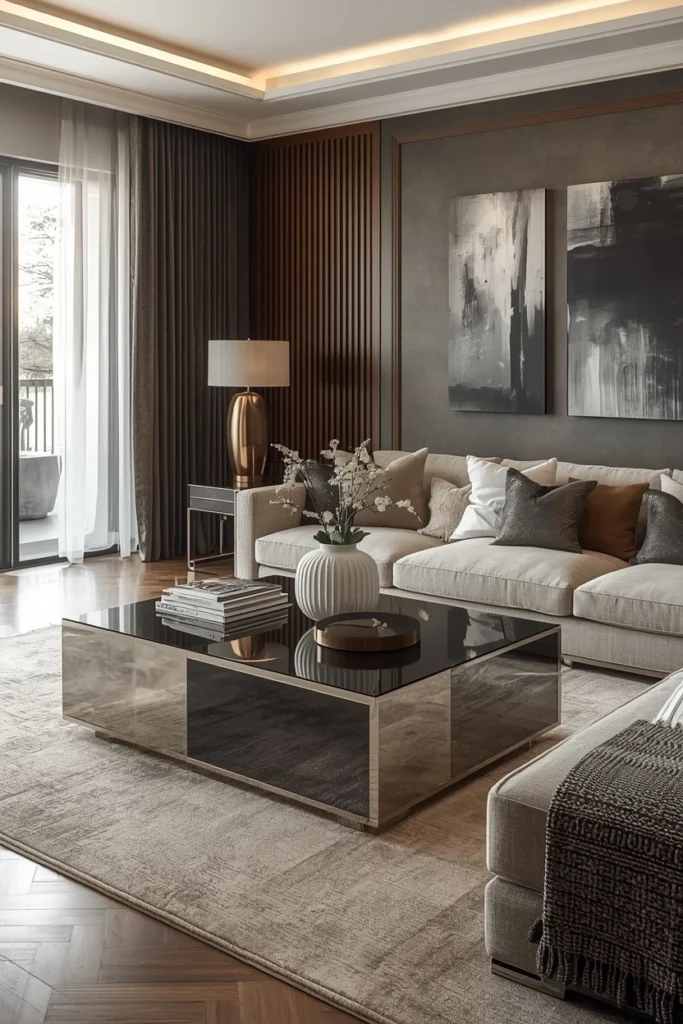
Every leg of your coffee table must be on the rug. Not half on and half off. When a coffee table sits halfway off the rug, the whole setup looks unstable. The room loses its clean and balanced look. A rug that fully covers the coffee table makes everything look sharp and well-arranged.
6. Open Plan Rooms Need a Larger Rug
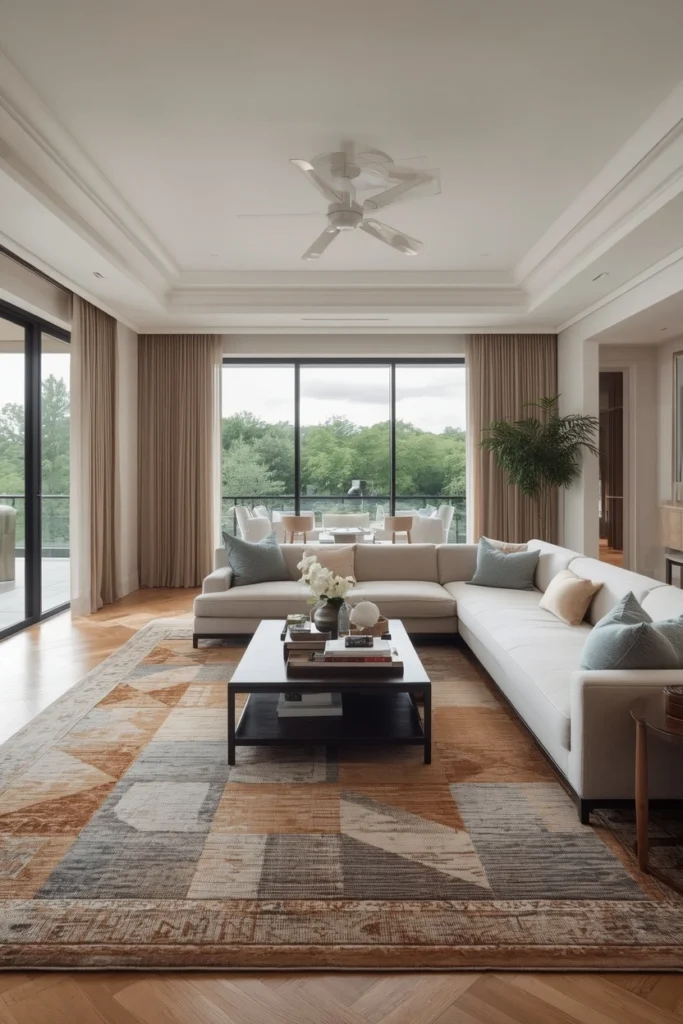
Open-plan homes are very popular today. But they create a sizing problem. There are no walls to mark where the living room ends. The rug has to create that boundary. A small rug in a large open space looks lost. A bigger rug sets a clear boundary and gives the living area its own defined space.
7. Round Rugs Work Well in Modern Rooms
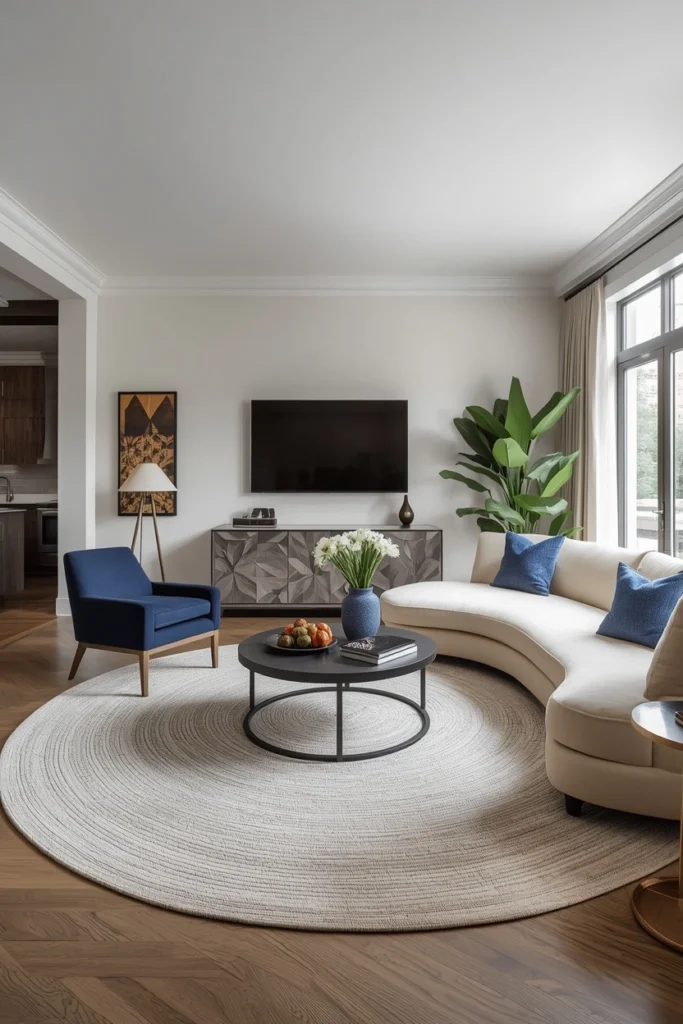
Curved and round shapes are very popular in modern decor right now. A round rug fits right into this style. It adds a soft feel to the room. It also looks great paired with a round coffee table. Just make sure it is wide enough to sit under the full seating area. A round rug that is too small looks like a bath mat.
8. Rug Thickness Changes How Big the Room Feels
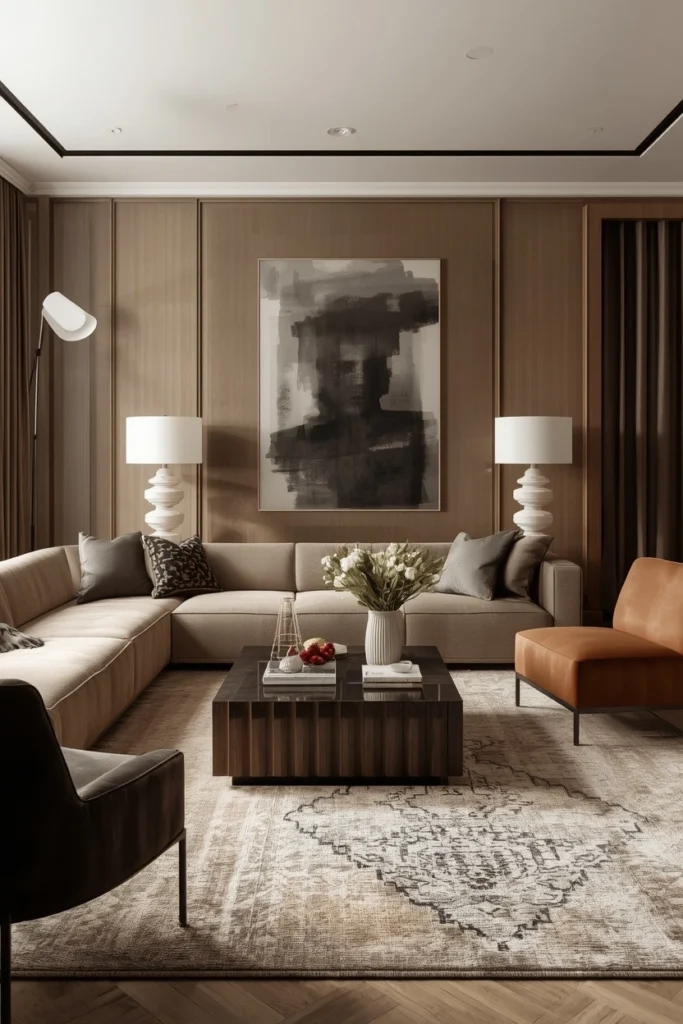
The rug thickness is not only about comfort. It also changes how big or small the room feels. A very thick rug can make a small room feel tight and heavy. A thin flat rug shows more floor and makes the room feel open. If your living room is small, choose a thinner rug. Large rooms can handle thick rugs easily.
9. Pattern Size Should Match the Rug Size
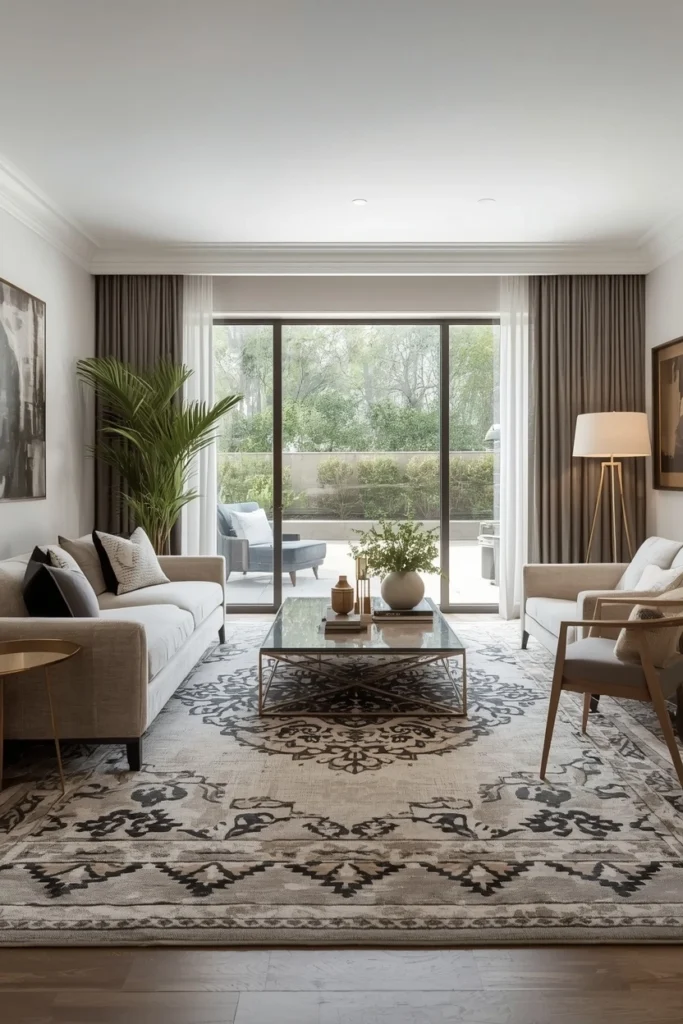
The pattern on the rug should match the rug’s size. A large rug looks good with a larger pattern. A small or medium rug looks better with a small or simple pattern. A big pattern on a small rug makes the space look crowded. Always match the pattern scale with the rug size.
10. Plain Rugs Make the Rug Look Larger
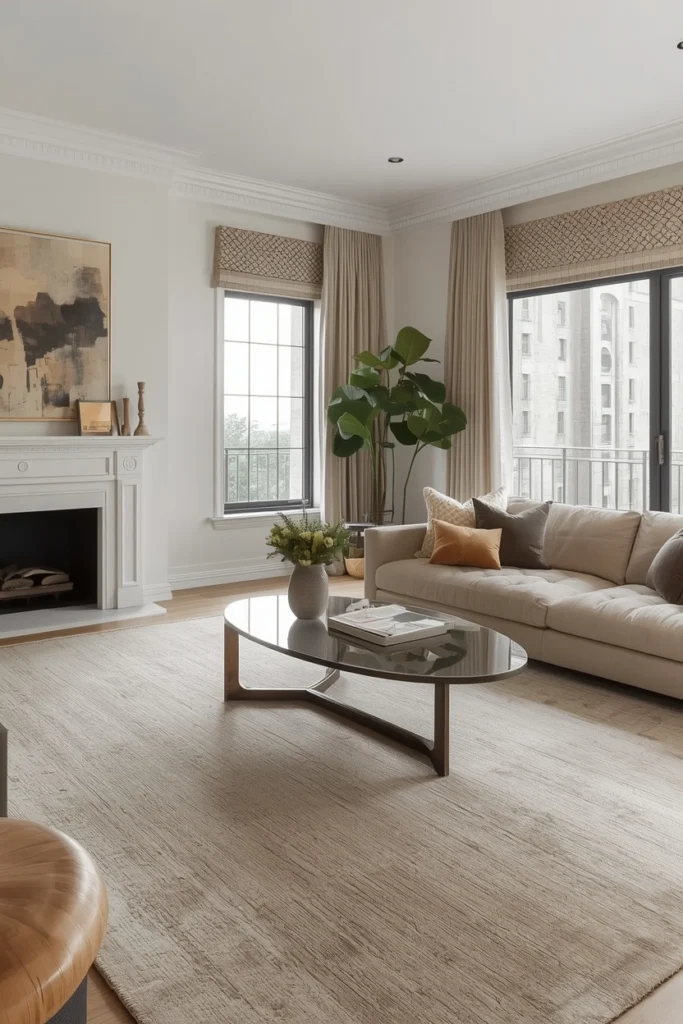
A Plain rugs do not have busy designs. Because of this, the rug looks like one smooth surface. This makes the rug look bigger than it really is. Rugs with heavy patterns often look smaller. If you want your rug to look more spacious, choose a plain rug in a neutral color.
11. Test the Size with Tape before Buying
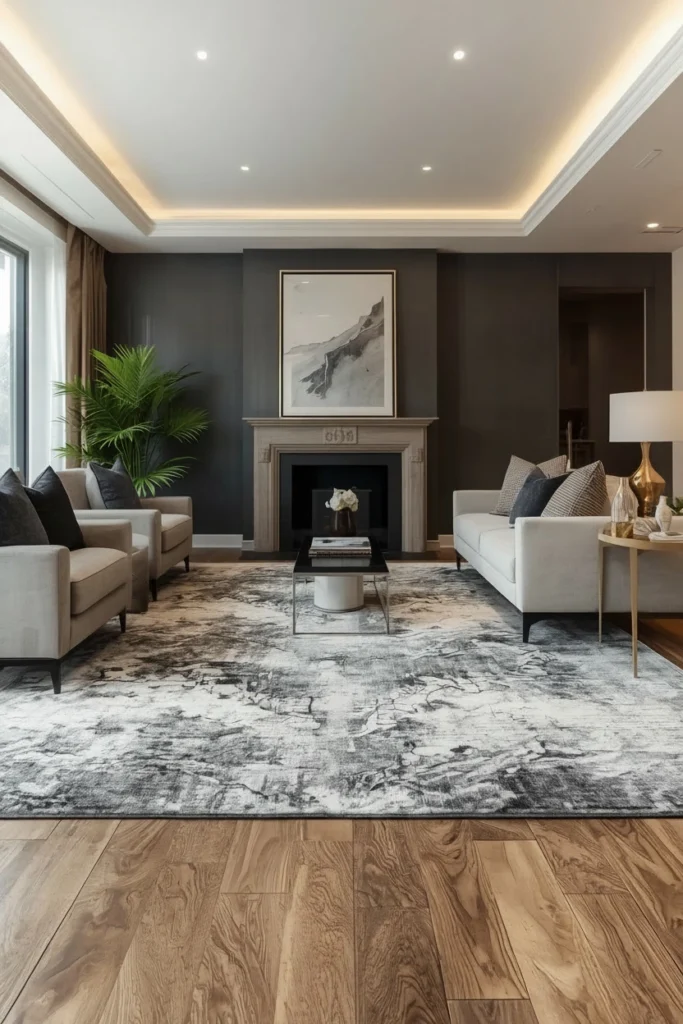
Never guess the size. Use painter’s tape to mark out the rug size on your floor first. Place your furniture around the taped area. Walk around it and see how it all feels. Take photos from different spots in the room. The view from the doorway is especially important. That is what people see first when they walk in.
12. Layer Rugs Without Hiding the Main Rug Size
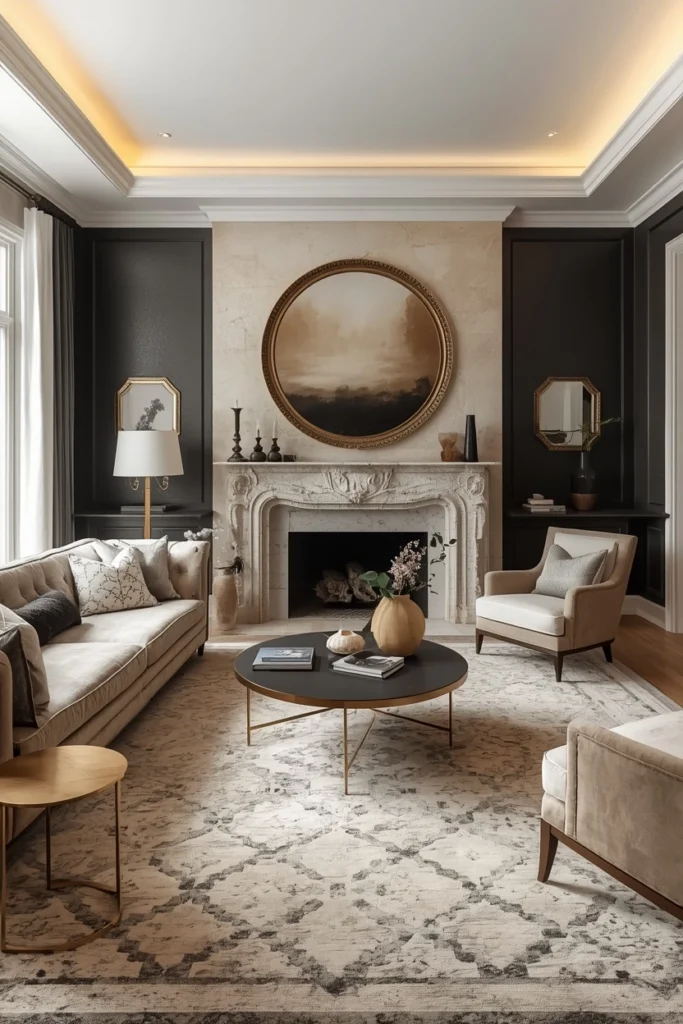
Layering rugs looks stylish, but you must follow the sizing rule. The bottom rug must be large enough to cover the full seating area. The top smaller rug is only for style. If the bottom rug is small, layering will make the room look even smaller.
13. Always Use a Rug Pad Underneath
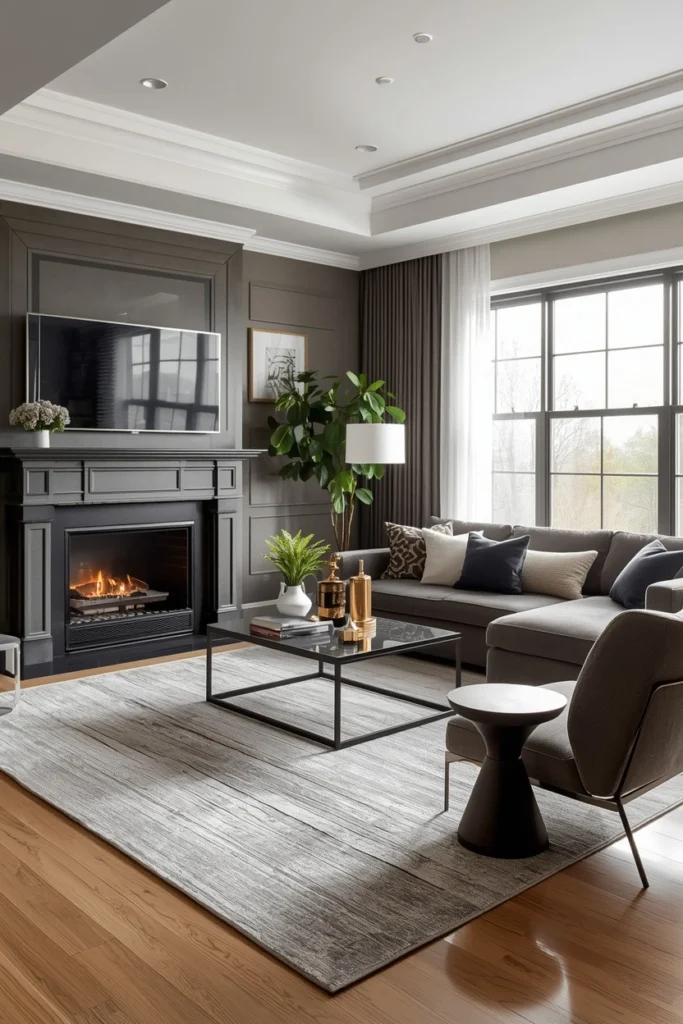
A rug pad stops the rug from slipping on the floor. It also protects your floor from scratches. It makes the rug feel softer and thicker underfoot. Cut the pad one inch smaller than the rug on every side. This keeps it hidden from view. A rug pad also makes your rug last much longer.
14. Check the Rug Fit After Any Room Change
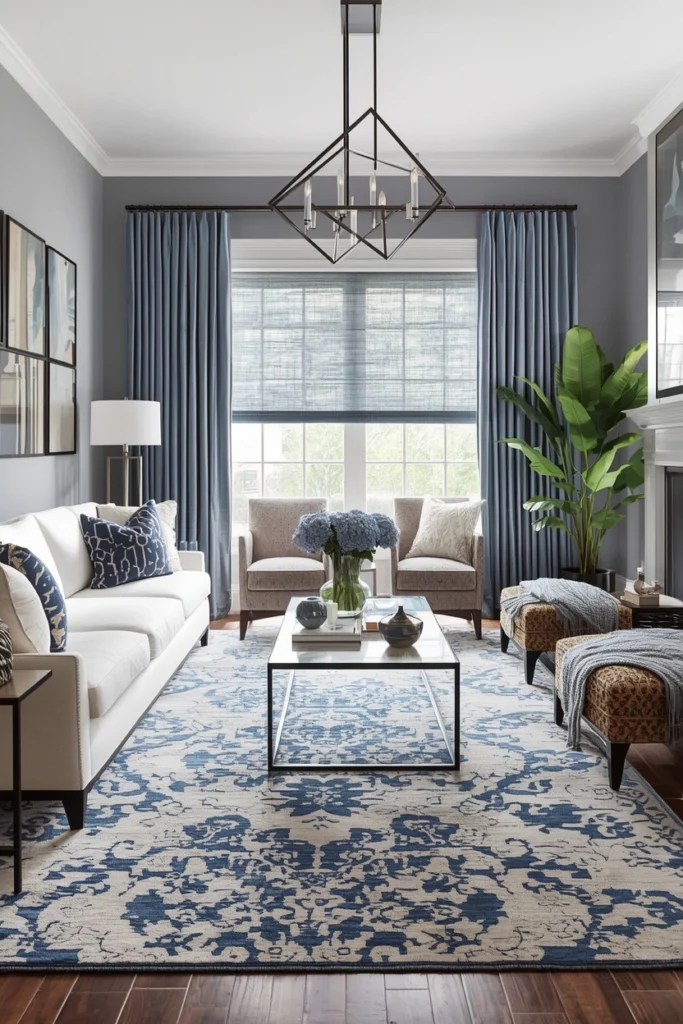
Rooms change over time. New furniture, new layout, new paint. Every big change can affect how the rug fits the space. A rug that looked great before may now look too small. After any major change, take a fresh look at the rug. If something feels off, it probably is.
15. The Rug Should Match the Feel of the Room
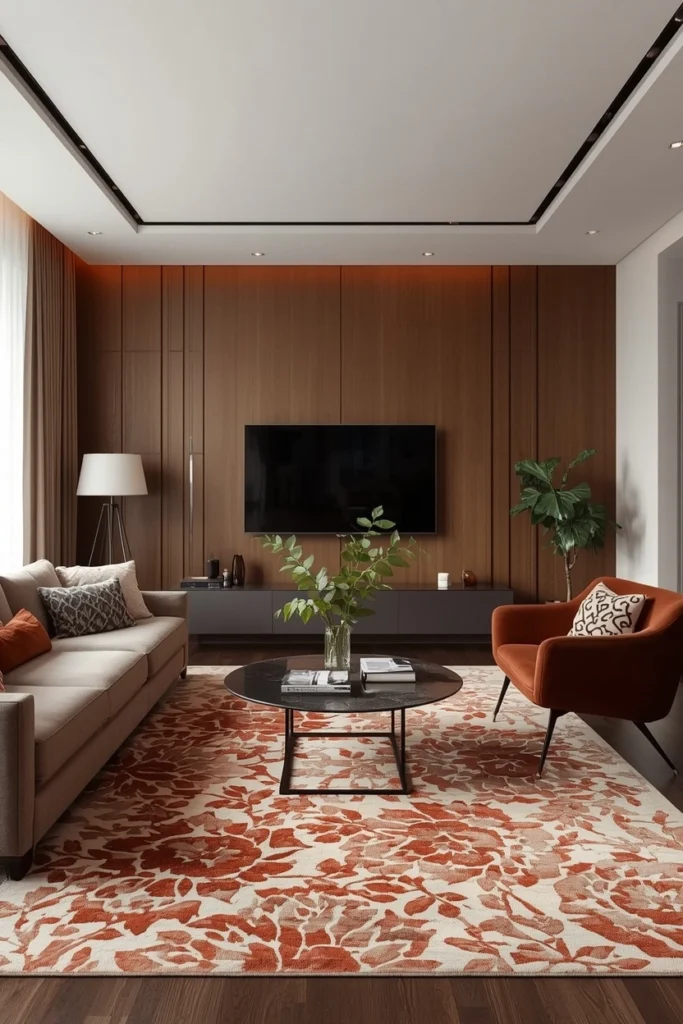
The rug must connect with the colors and style of the room. A warm, cozy room suits a soft wool or natural-fiber rug. A clean, modern room suits a flat rug with simple lines. A bold room can handle a strong pattern or rich color. When the rug fits both in size and style, the whole room feels complete.
Conclusion
The right rug size changes how your living room looks and feels. It makes the space feel bigger and more stylish. This living room rug sizing guide: 15 rules covers every key rule you need. Use these rules and your living room will always look its very best.